
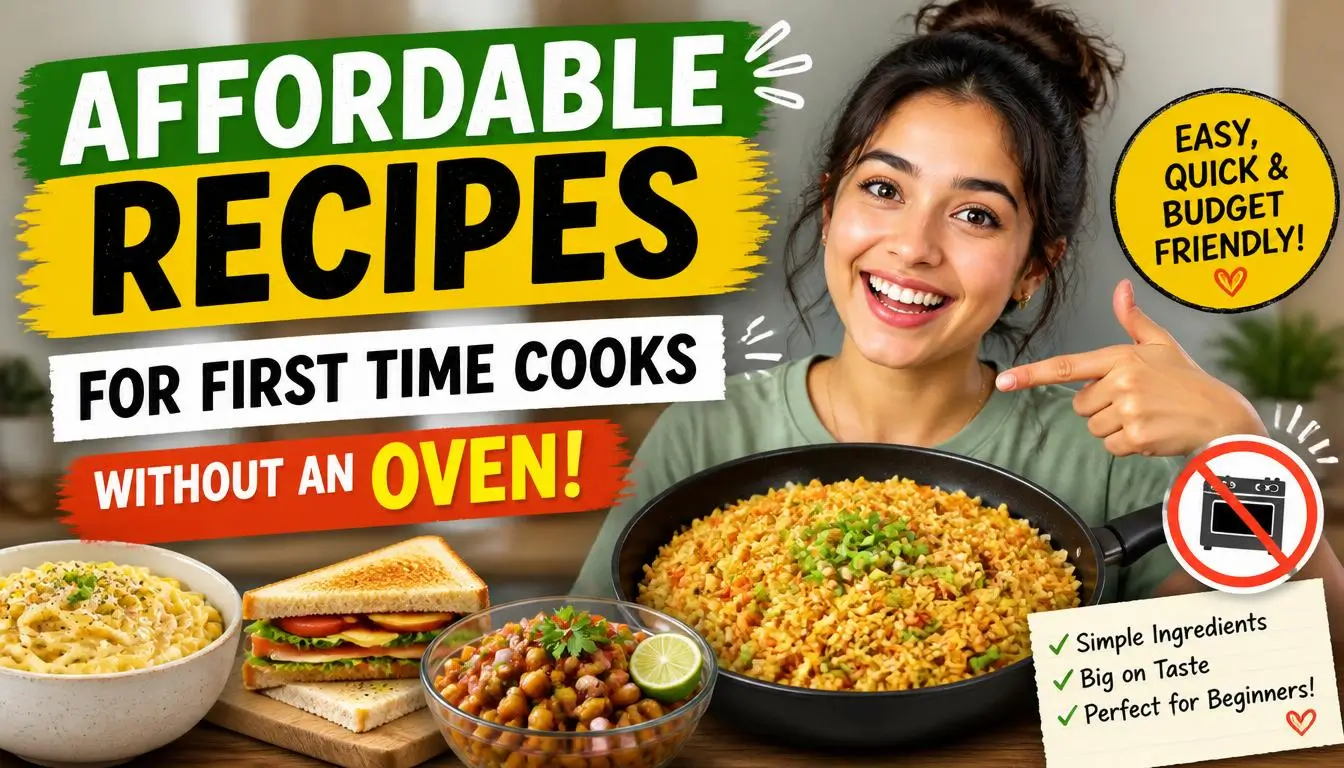
When I first started looking for affordable recipes for first time cooks without an oven, I was living in a tiny studio with a two-burner stovetop, a microwave, and exactly zero confidence in the kitchen. My grocery budget was about $40 a week, and I survived on ramen for longer than I’d like to admit. But I figured out how to make real, actual meals with no oven at all. These are the recipes that saved me, and they’ll work for you too.
1. One-Pot Pasta With Garlic and Olive Oil
You don’t need fancy equipment to make restaurant-worthy pasta. Aglio e olio is literally just spaghetti, garlic, olive oil, red pepper flakes, and a little pasta water. The whole thing takes about 15 minutes.
Boil your pasta in a single pot. While it cooks, sauté thinly sliced garlic in olive oil over low heat in a skillet. Toss the drained pasta into the skillet with a splash of that starchy pasta water, and everything comes together into a silky, savory dish. A box of spaghetti costs around a dollar, and a head of garlic is maybe 50 cents. Total cost per serving sits around $1.25.
2. Scrambled Egg Tacos
Eggs are the ultimate budget ingredient, and scrambled egg tacos became my go-to weeknight dinner for months. Crack three eggs into a bowl, whisk them, and cook them low and slow in a buttered skillet. The trick is pulling them off the heat while they still look slightly underdone, because they keep cooking on the plate.
Warm a couple of flour tortillas in that same skillet for about 20 seconds each side. Load the eggs in, top with salsa and a little shredded cheese. A dozen eggs usually runs about $3, and a pack of tortillas is $2. You can get four meals out of those ingredients easily, putting each serving well under $2.
3. Stovetop Black Bean Soup
A can of black beans is one of the most underrated pantry staples on the planet. For this soup, sauté diced onion and minced garlic in a pot with a little oil until soft. Dump in two cans of black beans (don’t drain them), a cup of chicken or vegetable broth, cumin, and a pinch of salt.
Let everything simmer for 15 minutes, then mash about half the beans with a fork right in the pot. This gives you a thick, creamy texture without a blender. Squeeze some lime juice on top if you have it. Two cans of store-brand black beans cost about $1.60 total, and the rest of the ingredients are pantry basics. This makes at least three generous servings.
4. Microwave Mug Quesadilla
I know, “microwave quesadilla” sounds questionable. But hear me out. Take a large flour tortilla, lay it flat on a microwave-safe plate, and cover half with shredded cheese, black beans, and whatever else you want. Fold it in half.
Microwave it for about 60 to 90 seconds until the cheese melts through. The tortilla won’t get crispy, but the filling gets perfectly gooey. If you want that crunch, press it in a skillet for a minute on each side afterward. This is one of those affordable recipes for first time cooks without an oven that honestly tastes better than it has any right to. Total cost is about $1 per quesadilla, and it takes under five minutes.
5. Fried Rice With Whatever You Have
Fried rice is basically a refrigerator cleanout disguised as a meal. The key is using day-old rice because freshly cooked rice turns mushy when you fry it. Cook a batch of rice one evening, stick it in the fridge overnight, and you’re set for the next day.
Heat oil in a large skillet or wok over high heat. Toss in diced vegetables like frozen peas, carrots, corn, or whatever is in your freezer. Push everything to one side, crack an egg or two into the empty space, and scramble them up. Mix everything together with the cold rice, add soy sauce, and stir until the rice gets a little toasty. A bag of frozen mixed vegetables is about $1.50 at most grocery stores, and rice is one of the cheapest staples you can buy. The whole meal costs roughly $2 for two servings.
6. Stovetop Ramen Upgrade
Plain instant ramen on its own gets old fast. But with a few small additions, it turns into something you’d actually choose to eat. Cook the ramen according to the package directions, but only use half the seasoning packet because the full thing is a sodium bomb.
While the noodles boil, soft-boil an egg separately for about six and a half minutes, then run it under cold water. Slice it in half and set it on top of the finished ramen. Add a handful of spinach to the hot broth right before serving so it just barely wilts. A drizzle of sesame oil and a splash of soy sauce round it out. The ramen pack costs around 30 cents, and the egg adds another 25 cents. You’re eating well for under a dollar.
7. Banana Peanut Butter Smoothie
When cooking feels like too much effort, a good smoothie saves the day. You need one banana, two tablespoons of peanut butter, a cup of milk (dairy or oat, both work), and a handful of ice. Throw it all in a blender and blend until smooth.
If you don’t own a blender, a handheld immersion blender works just fine in a tall cup. I bought a basic one from Hamilton Beach for about $15, and it changed my kitchen life. This smoothie fills you up, gives you protein from the peanut butter, and costs about $1.50 per serving. It also doubles as a solid breakfast when you’re running out the door.
8. Skillet Mac and Cheese
Boxed mac and cheese is fine, but stovetop homemade mac and cheese is only slightly more effort and tastes significantly better. Boil elbow macaroni in a pot until tender, drain it, then return it to the same pot over low heat.
Stir in a tablespoon of butter, a splash of milk, and about a cup and a half of shredded cheddar cheese. Keep stirring until the cheese melts into a smooth sauce. Season with salt, pepper, and a tiny pinch of garlic powder. The pasta costs about a dollar, and a block of store-brand cheddar is around $3, but you’ll use less than half of it. Each serving lands around $1.50, and the whole process takes maybe 20 minutes. This one became a weekly staple for me.
9. Pan-Fried Quesadillas With Chicken
Once you’ve mastered the microwave version, upgrade to pan-fried quesadillas with pre-cooked rotisserie chicken. Grocery stores sell whole rotisserie chickens for about $5 to $7, and one chicken gives you enough shredded meat for multiple meals throughout the week.
Lay a tortilla flat in a dry skillet over medium heat. Spread shredded chicken, cheese, and a spoonful of salsa on one half. Fold it over and cook for about two minutes per side until the tortilla turns golden and crispy. The texture difference between this and the microwave version is night and day. Each quesadilla costs roughly $1.75, and you get a genuinely satisfying dinner that feels like real cooking.
10. Simple Stovetop Chili
Chili is forgiving, cheap, and makes enough leftovers to carry you through several lunches. Brown a pound of ground beef or turkey in a large pot, then drain the fat. Add a can of diced tomatoes, a can of kidney beans, a can of black beans, chili powder, cumin, garlic powder, and a pinch of cayenne if you like heat.
Simmer everything for at least 20 minutes, though longer is better. The flavors deepen the more time you give it. Ground turkey runs about $4 a pound, and the canned goods total around $4. You get five to six servings out of one batch. That’s less than $1.50 per meal, and it reheats beautifully in the microwave all week. This is one of those affordable recipes for first time cooks without an oven that genuinely builds your confidence because it’s almost impossible to mess up.
Tips for Stocking a No-Oven Kitchen on a Budget
Before you start cooking any of these recipes, set yourself up with a small collection of pantry staples that stretch across multiple meals. Rice, pasta, canned beans, olive oil, garlic, onions, eggs, cheese, soy sauce, and a few basic spices like cumin, chili powder, garlic powder, and salt will cover almost everything on this list.
Buy store-brand whenever possible. Seriously, Kroger, Aldi, Walmart’s Great Value line, they all taste the same as name brands for staple ingredients. A single $30 to $40 grocery trip can stock your pantry for two weeks if you shop smart. Keep frozen vegetables on hand too. They’re just as nutritious as fresh, they last way longer, and they cost a fraction of the price.
One more thing. Get a decent skillet. I used a $20 T-fal nonstick skillet for over two years, and it handled everything from eggs to fried rice to quesadillas without any issues. You don’t need a full cookware set. One good skillet and one medium pot will take you surprisingly far.
Frequently Asked Questions
What are the easiest affordable recipes for first time cooks without an oven?
Scrambled egg tacos, one-pot pasta, and stovetop ramen upgrades are the three easiest starting points. They each require minimal ingredients, basic technique, and under 20 minutes of actual cooking time. You really can’t mess them up, and they taste great even on your first attempt.
Can I meal prep with just a stovetop and microwave?
Absolutely. Chili, fried rice, and black bean soup all store well in the fridge for three to four days. Cook a big batch on Sunday, portion it into containers, and reheat in the microwave throughout the week. It saves both time and money compared to cooking every single meal from scratch.
What kitchen tools do I actually need if I don’t have an oven?
A medium pot, a nonstick skillet, a spatula, a wooden spoon, and a cutting board with a basic knife cover almost everything. If you want to make smoothies, add a cheap immersion blender. You can find all of these for under $40 total at stores like Walmart, Target, or even thrift shops.
How much should a beginner cook spend on groceries each week?
Most of these recipes work within a $30 to $50 weekly grocery budget for one person. Buying staples like rice, beans, eggs, and pasta in bulk keeps costs low. Focus on ingredients that appear in multiple recipes so nothing goes to waste. Planning even loosely before you shop makes a huge difference.
Are stovetop meals less healthy than oven-cooked meals?
Not at all. Cooking method doesn’t determine nutrition, ingredients do. A stovetop stir fry loaded with vegetables and lean protein is just as healthy as anything you’d roast in an oven. Focus on including vegetables, protein, and whole grains in your meals regardless of how you cook them.
Conclusion
Cooking without an oven doesn’t mean you’re stuck eating cereal and instant noodles forever. These recipes kept me fed, saved me money, and honestly made me a better cook over time. What was the first real meal you ever made on your own?