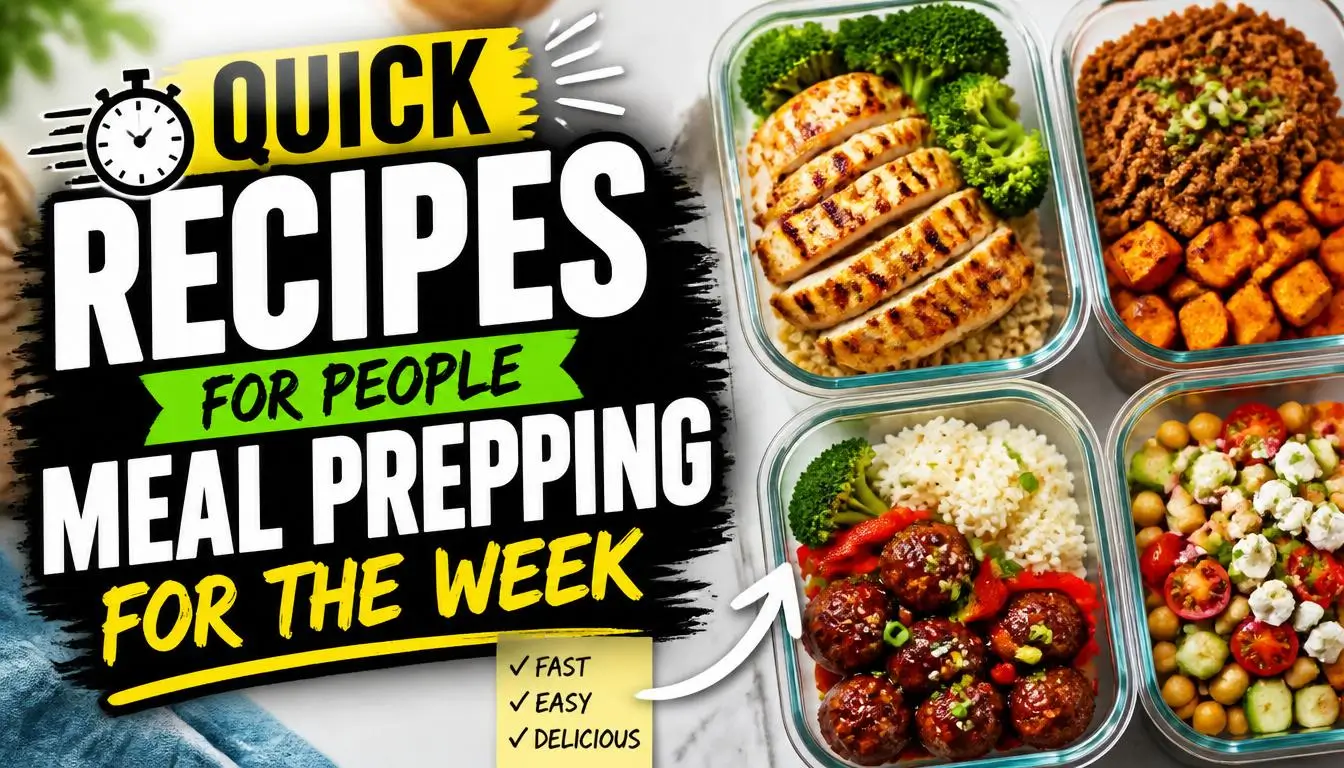

Finding the best recipes for college students living in dorms can feel impossible when your entire kitchen is a microwave, a mini fridge, and maybe a contraband hot plate you’re hiding from your RA. I spent four years eating out of my dorm room, and honestly, some of those meals were better than what the dining hall served. The trick isn’t fancy equipment. It’s knowing what actually works with what you’ve got.
1. Microwave Mug Scrambled Eggs
Crack two eggs into a microwave-safe mug, add a splash of milk, and whisk with a fork. Microwave for 30 seconds, stir, then hit it for another 30 seconds. Done.
I ate this almost every morning sophomore year because the dining hall didn’t open until 8 and my classes started at 7:30. Toss in some shredded cheese and pre-cooked bacon bits from a jar, and you’ve got a legitimately solid breakfast in under two minutes. The key is stirring halfway through so you don’t end up with a rubbery egg puck.
2. Tortilla Pizza
Lay a flour tortilla on a microwave-safe plate, spread marinara sauce on it, add shredded mozzarella, and whatever toppings you have. Microwave for about 60 to 90 seconds until the cheese melts.
If you have access to a toaster oven (some dorm common areas have them), use that instead for a crispier result. I kept a jar of Ragú and a bag of shredded cheese in my mini fridge at all times. This was my go-to Friday night snack when everyone else was spending $15 on delivery pizza. Pepperoni slices and sliced olives from the salad bar made it feel almost gourmet.
3. Overnight Oats
Combine half a cup of rolled oats, half a cup of milk (or almond milk, whatever you like), a spoonful of peanut butter, and a drizzle of honey in a jar or container. Stir it up, stick it in the fridge overnight, and eat it cold in the morning.
No cooking required. Zero. I’m serious. My roommate thought I was weird the first time she saw me eating cold oats out of a Mason jar at 6 AM, but then she tried it and started making her own. Add banana slices or frozen berries in the morning for extra flavor. Trader Joe’s rolled oats are cheap and work perfectly for this.
4. Ramen Upgrade Bowl
Cook your instant ramen as usual, but drain most of the water and only use half the seasoning packet. Then add a soft-boiled egg (if you have a way to boil water), a handful of frozen veggies, and a few drops of sriracha.
Look, plain ramen is fine when you’re desperate, but it doesn’t have to be sad. A bottle of soy sauce and some sesame oil from the Asian grocery store near campus turned my 25-cent Maruchan into something I actually craved. The frozen veggie bags from Walmart are like $1.50 and last a couple weeks. This is one of the best recipes for college students living in dorms because the base ingredients are already in every dorm room in America.
5. Peanut Butter Banana Wrap
Spread peanut butter on a flour tortilla, lay sliced banana across the middle, drizzle honey on top, and roll it up.
This takes 90 seconds and requires no appliances at all. I ate this before every single exam because it gave me steady energy without making me feel sluggish. If you want to get fancy, sprinkle some granola or chocolate chips inside before you roll. It’s basically a deconstructed PB&J with way more personality. Keep tortillas and a jar of Jif in your room and you’ll never go hungry during a study marathon.
6. Microwave Baked Potato
Wash a medium russet potato, poke it several times with a fork, wrap it in a damp paper towel, and microwave for 5 minutes. Flip it and go another 3 to 5 minutes until it’s soft when you squeeze it.
I genuinely did not believe this worked until my friend from Texas showed me junior year. Top it with butter, sour cream, shredded cheese, or even chili from a can. A single potato is filling enough to count as a full meal, and they cost about 50 cents each at most grocery stores. This became my Sunday dinner ritual because it felt like actual home cooking.
7. Greek Yogurt Parfait
Layer Greek yogurt, granola, and fresh or frozen berries in a cup or bowl. That’s it. That’s the recipe.
I know it sounds too simple to include, but I’m putting it here because too many college students skip breakfast entirely or grab a bag of chips. A container of Chobani vanilla Greek yogurt, a bag of granola, and some blueberries from the store cost about $8 total and give you breakfast for nearly a week. The protein from the yogurt actually keeps you full through your morning classes, which is more than I can say for the stale muffins in the vending machine.
8. Quesadilla (Microwave or Iron Method)
Put a tortilla on a plate, cover half with shredded cheese, fold it over, and microwave for 45 seconds. Or, if you’re feeling resourceful, use a clothing iron wrapped in aluminum foil to press it (yes, people really do this).
The iron method sounds ridiculous, but it gives you that crispy, golden outside that the microwave can’t deliver. Add canned black beans, leftover chicken from the dining hall, or jarred salsa inside for extra substance. I used to make these at 1 AM during finals week, and my entire floor would show up asking for one. Shredded Mexican blend cheese from Kroger was my go-to.
9. No-Cook Bean and Cheese Burrito
Open a can of refried beans, warm them in the microwave for a minute, spread them on a tortilla, add cheese, salsa, and sour cream, then roll it up.
Canned refried beans are wildly underrated as a dorm food. They’re cheap, they’re packed with protein and fiber, and they taste good with minimal effort. I kept a stack of Old El Paso cans under my bed like a survival stash. If you have access to hot sauce (and you should, because hot sauce makes everything better), a few dashes of Cholula turns this into something you’d actually order at a restaurant.
10. Instant Mac and Cheese, But Better
Make your Kraft or store-brand mac and cheese as directed. Then stir in one of these: canned tuna, frozen broccoli (microwaved first), or crumbled bacon bits.
Plain mac and cheese is comfort food, but it’s not really a meal by itself. Adding a protein or vegetable takes it from snack to dinner. My personal favorite was tossing in a can of Starkist chunk light tuna with a squeeze of lemon juice from one of those little plastic lemon bottles. My roommate thought it was disgusting until she tried it and then started stealing my tuna cans.
11. Avocado Toast (No Toaster Needed)
If you don’t have a toaster, just eat it on untoasted bread or a rice cake. Mash half an avocado on top, sprinkle salt, pepper, and red pepper flakes.
Yes, I’m aware of the millennial avocado toast stereotype. I don’t care. It’s fast, it’s filling, and it’s genuinely good for you. One avocado costs about a dollar at Aldi, and half of one is enough for a satisfying snack or light lunch. Add a fried egg from your mug egg method (see recipe #1) on top and you’ve got a meal that looks like it belongs on Instagram.
12. Microwave Mug Brownie
Mix 4 tablespoons flour, 4 tablespoons sugar, 2 tablespoons cocoa powder, 2 tablespoons vegetable oil, 2 tablespoons water, and a pinch of salt in a mug. Microwave for 60 to 90 seconds.
This is not health food. This is survival dessert. When you’ve been studying organic chemistry for six hours and your brain is melting, you deserve a warm brownie in under two minutes. The texture is somewhere between a brownie and a lava cake, and it’s honestly one of the best things I ever made in my dorm room. Add a handful of chocolate chips on top before microwaving for extra richness.
13. Chicken Salad Lettuce Wraps
Buy a can of chicken breast (Kirkland or Tyson), drain it, mix it with mayo, a squeeze of mustard, salt, pepper, and diced celery if you have it. Spoon it onto large lettuce leaves and wrap.
Canned chicken doesn’t sound glamorous, but it’s pre-cooked protein that doesn’t need refrigeration until you open it. I kept several cans in my dorm closet for weeks when I was eating on a serious budget. The lettuce wraps keep it light, but you can also eat this on bread, crackers, or straight out of the bowl with a fork. No judgment here.
14. Rice Cooker Pasta
If you invest in a small rice cooker (you can find one at Target for about $15), you can cook pasta directly in it. Add dry pasta, cover with water, close the lid, and let it cook for about 20 minutes. Drain and add jarred sauce.
A Dash Mini Rice Cooker was the single best purchase I made freshman year. You can cook rice, steam vegetables, make oatmeal, and yes, cook pasta in it. It technically isn’t allowed in most dorms, but it doesn’t have an exposed heating element, so most RAs look the other way. Pair your pasta with Prego marinara and a sprinkle of Parmesan, and you’ve got a real dinner.
15. Trail Mix Energy Bites
Mix 1 cup of rolled oats, half a cup of peanut butter, a third cup of honey, and half a cup of chocolate chips or raisins in a bowl. Roll into small balls. Store in the fridge.
These are perfect for grabbing between classes when you don’t have time to sit down and eat. I used to make a batch on Sunday night and keep them in a container in my mini fridge all week. They taste like cookie dough but give you actual sustained energy. My friends started requesting them during study group sessions, and I ended up making a double batch every week by the end of the semester.
FAQs
What are the best recipes for college students living in dorms with no kitchen?
Almost all the recipes in this list work with just a microwave and a mini fridge. Mug eggs, overnight oats, tortilla pizzas, and no-cook wraps all require zero kitchen access. If you can get a small rice cooker past your RA, your options expand even more. Focus on recipes that use shelf-stable ingredients so you don’t need tons of fridge space.
How can I eat healthy in a dorm room?
Greek yogurt parfaits, avocado toast, overnight oats, and bean burritos all pack solid nutrition without needing a full kitchen. Frozen vegetables microwaved and added to ramen or pasta boost your veggie intake easily. The biggest tip is keeping fresh fruit and pre-portioned snacks visible in your room so you reach for those instead of vending machine junk.
What kitchen gadgets should I bring to college?
A microwave-safe mug, a mini rice cooker, and a set of reusable containers cover 90% of what you need. A small cutting board and a basic knife help too, but check your dorm’s rules first. Some schools allow electric kettles, which open up even more recipe options like instant soup, tea, and pour-over coffee.
How much does it cost to cook in a dorm room?
Most of these recipes cost between $1 and $3 per serving, which is significantly cheaper than eating out or even most meal plan options. Buying staples like oats, peanut butter, tortillas, canned beans, and cheese in bulk at stores like Aldi or Walmart keeps your weekly grocery bill under $20 to $30 easily.
Can I meal prep in a dorm room?
Absolutely. Overnight oats, trail mix energy bites, and chicken salad all store well for several days in a mini fridge. Prepping a few portions on Sunday night saves you from making bad food decisions during a busy week. Use small stackable containers to maximize your limited fridge space.
Conclusion
Dorm cooking taught me more about feeding myself than any class ever did. You don’t need a full kitchen to eat well, just a little creativity and a willingness to experiment with a microwave. What’s your go-to dorm room meal that got you through college?